$ 45.00
$ 45.00
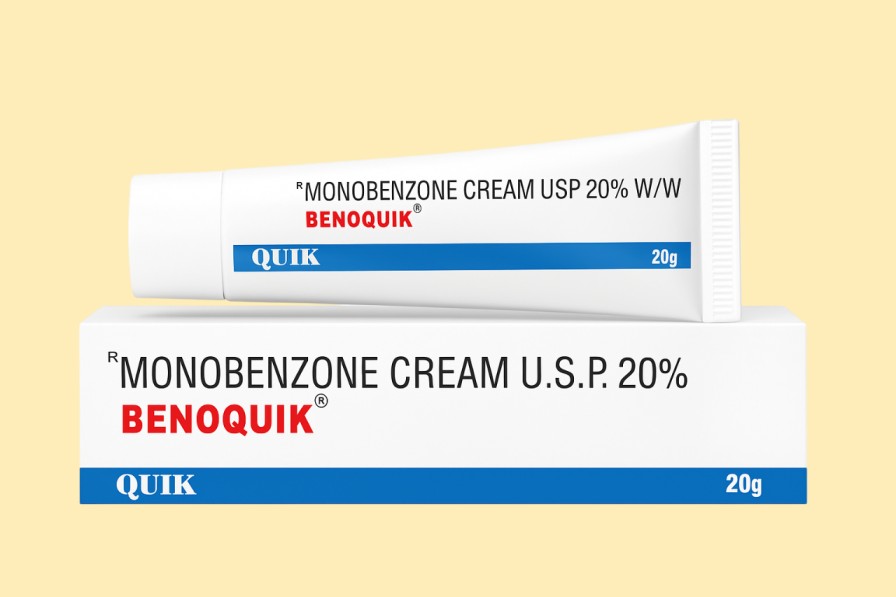
Monobenzone 20% Cream – Effective Vitiligo Depigmentation Treatment
Vitiligo is a chronic skin condition that causes loss of skin pigmentation, resulting in white patches on different areas of the body. This occurs when melanocytes, the cells responsible for producing melanin, are destroyed or stop functioning. For individuals with extensive vitiligo, achieving a uniform skin tone can be challenging.
One of the most effective medical options recommended by dermatologists for widespread vitiligo is Monobenzone 20% Cream. This depigmentation therapy helps lighten the remaining pigmented skin so that it matches the depigmented areas, creating a more even skin appearance.
Monobenzone has been used for many years in dermatology and is considered one of the most reliable solutions for patients with advanced vitiligo who seek permanent depigmentation treatment.
Monobenzone 20% Cream is a topical depigmenting medication that contains monobenzyl ether of hydroquinone (MBEH) as its active ingredient. It works by permanently reducing pigmentation in the skin by targeting melanocytes.
Unlike cosmetic skin-lightening products, monobenzone is specifically used for medical depigmentation therapy in patients with extensive vitiligo. It helps remove remaining pigmentation so that the entire skin tone becomes consistent.
Monobenzone creams are commonly used under the supervision of dermatologists for individuals who have vitiligo covering large areas of their body.
Monobenzone works by affecting the melanin-producing cells in the skin. The active compound gradually breaks down melanocytes, preventing them from producing melanin.
Destroys Melanocytes
Monobenzone causes selective destruction of pigment-producing cells.
Stops Melanin Production
Once melanocytes are reduced, the skin gradually loses pigmentation.
Creates Uniform Skin Tone
Over time, the remaining darker skin becomes lighter and blends with vitiligo patches.
Because of this permanent depigmentation effect, monobenzone is typically recommended for patients with widespread vitiligo where repigmentation treatments are not effective.
Monobenzone therapy offers several advantages for individuals struggling with severe vitiligo.
Monobenzone provides long-lasting results by permanently reducing melanin production in treated areas.
The cream helps create a more uniform skin tone by blending darker skin with vitiligo patches.
Monobenzone has been used for decades and is recognized as a medical depigmentation therapy.
It is particularly helpful for patients whose vitiligo covers a large percentage of their body.
Depigmentation occurs gradually, allowing dermatologists to monitor and adjust treatment as needed.
Monobenzone is generally recommended for people who:
Have extensive vitiligo covering large body areas
Want permanent depigmentation therapy
Have not responded well to repigmentation treatments
Seek a more uniform skin tone
It is important to consult a dermatologist before starting monobenzone therapy to determine if this treatment is appropriate.
Using Monobenzone correctly is essential for achieving the best results.
Clean the Skin
Wash the affected area with mild soap and dry thoroughly.
Apply a Thin Layer
Apply a small amount of cream to pigmented areas of skin.
Use Once or Twice Daily
Follow the instructions provided by your healthcare professional.
Avoid Sun Exposure
The treated skin becomes more sensitive to sunlight, so using sunscreen is essential.
Monitor Progress
Depigmentation usually develops gradually over several months.
Patients should follow medical advice carefully to ensure safe and effective treatment.
Depigmentation with Monobenzone is a gradual process. Most patients begin noticing changes within 3–6 months, although complete results may take longer.
Factors that influence treatment progress include:
Size of treated areas
Skin type
Consistency of application
Individual response to treatment
Patience and regular application are important for achieving uniform results.
Like any medication, Monobenzone may cause some side effects. However, many patients tolerate it well when used as directed.
Common side effects may include:
Mild skin irritation
Redness or dryness
Temporary itching
Rarely, some individuals may experience increased sensitivity to sunlight.
To minimize side effects, dermatologists usually recommend:
Using sunscreen regularly
Avoiding excessive sun exposure
Following proper application guidelines
If irritation becomes severe, medical advice should be sought.
Before starting treatment, certain precautions should be considered.
Use only under medical supervision
Avoid contact with eyes and mucous membranes
Do not apply to broken or irritated skin
Keep out of reach of children
Store the cream in a cool, dry place
Monobenzone is a strong depigmentation therapy and should be used responsibly.
There are several treatment options for vitiligo, but they serve different purposes.
These treatments aim to restore pigment to white patches:
Topical corticosteroids
Calcineurin inhibitors
Phototherapy (UVB therapy)
However, repigmentation is not always successful in extensive vitiligo.
When repigmentation treatments fail, depigmentation therapy with Monobenzone 20% Cream becomes a viable option to achieve uniform skin tone.
Monobenzone has been used in dermatology for many years due to its effectiveness and predictable results in depigmentation therapy.
Key reasons it remains widely used include:
Proven clinical effectiveness
Long history of dermatological use
Ability to create consistent skin tone
Suitable for extensive vitiligo cases
Because of these benefits, monobenzone continues to be an important treatment option for patients seeking depigmentation therapy.
Yes, monobenzone causes permanent depigmentation by destroying melanocytes in treated areas.
Most patients see visible changes within 3–6 months, but full depigmentation may take longer.
It is generally recommended for extensive vitiligo, not small localized patches.
Yes. Depigmented skin is more sensitive to sunlight, so sunscreen is highly recommended.
Monobenzone 20% Cream is a medically recognized depigmentation therapy used to treat extensive vitiligo. By gradually removing remaining pigmentation, it helps create a more uniform skin tone for individuals affected by widespread vitiligo.
When used under proper medical guidance, monobenzone can provide effective and long-lasting results. Patients considering this treatment should consult a qualified dermatologist to determine whether depigmentation therapy is the right option for their condition.
You need to login for writing a review. Login to your account

No Comments found !